Common Hair Color Mistakes to Avoid
A good shape should feel comfortable and work with the nail rather than forcing it into an unsuitable form. Dermatologists recommend keeping nails shaped and free of snags and avoiding using them as tools.
Product type, application, and aftercare also affect evenness, tone, and longevity. Understanding common hair color mistakes to avoid can help you set realistic expectations and decide whether DIY color or professional service suits your goals.
Table of Contents
- Choosing a Hair Color Without Considering the Starting Point
- Choosing the Wrong Shade or Undertone
- Common DIY Hair Color Mistakes
- Ignoring Previous Hair Color and Chemical Treatments
- Overlapping Color or Lightener on Previously Processed Hair
- Coloring Hair That Is Weak, Dry, or Damaged
- Neglecting Color-Treated Hair Aftercare
- Underestimating Maintenance or Avoiding Professional Help
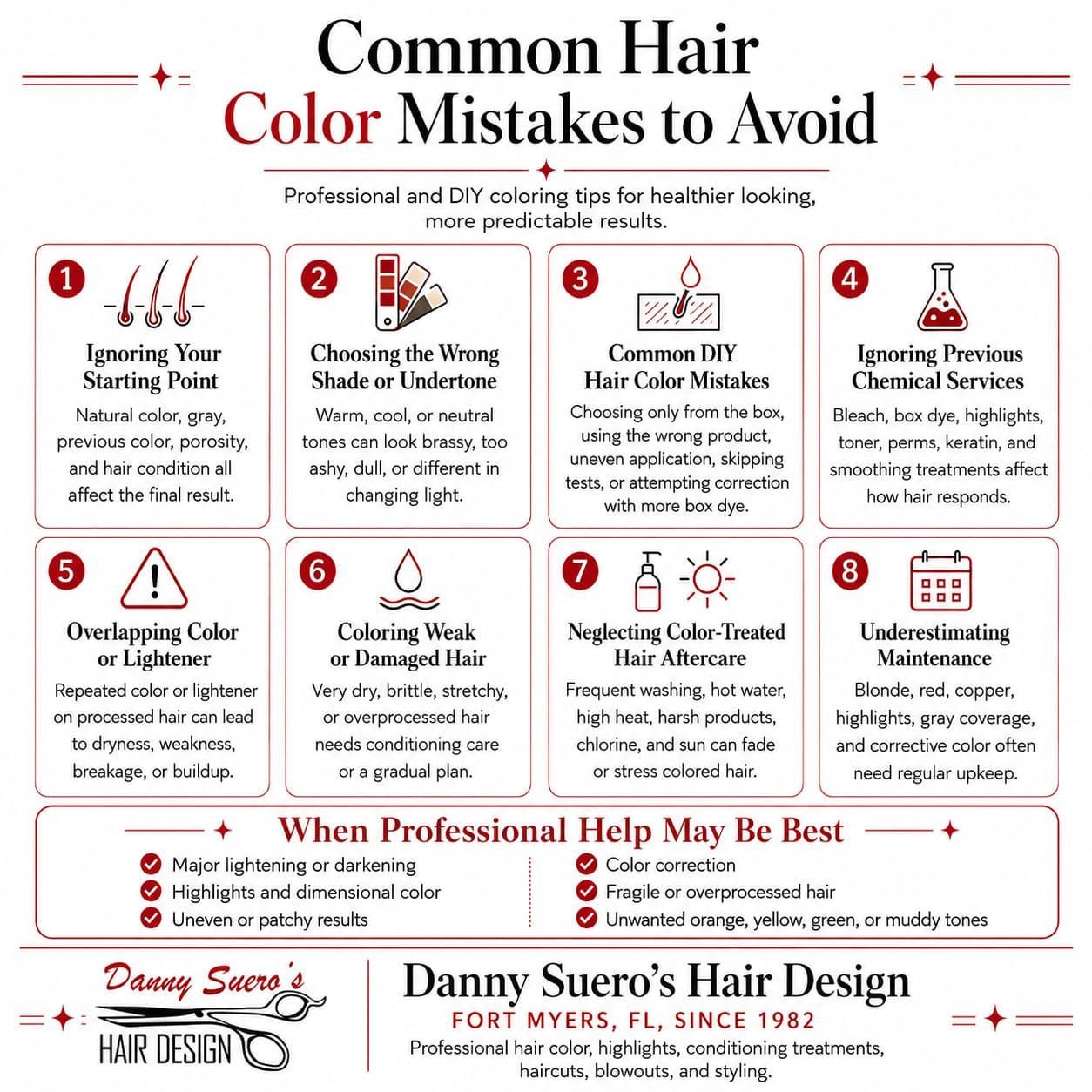
1. Choosing a Hair Color Without Considering the Starting Point
One formula can look different on different people. Natural color, gray percentage, density, porosity, previous lightening, artificial pigment, and hair condition all matter.
A box image or photo is only a reference. The model may have a different base, while lighting, filters, and editing can alter the shade. Choosing the right hair color starts with understanding what is already in the hair and what is realistic.
2. Choosing the Wrong Shade or Undertone
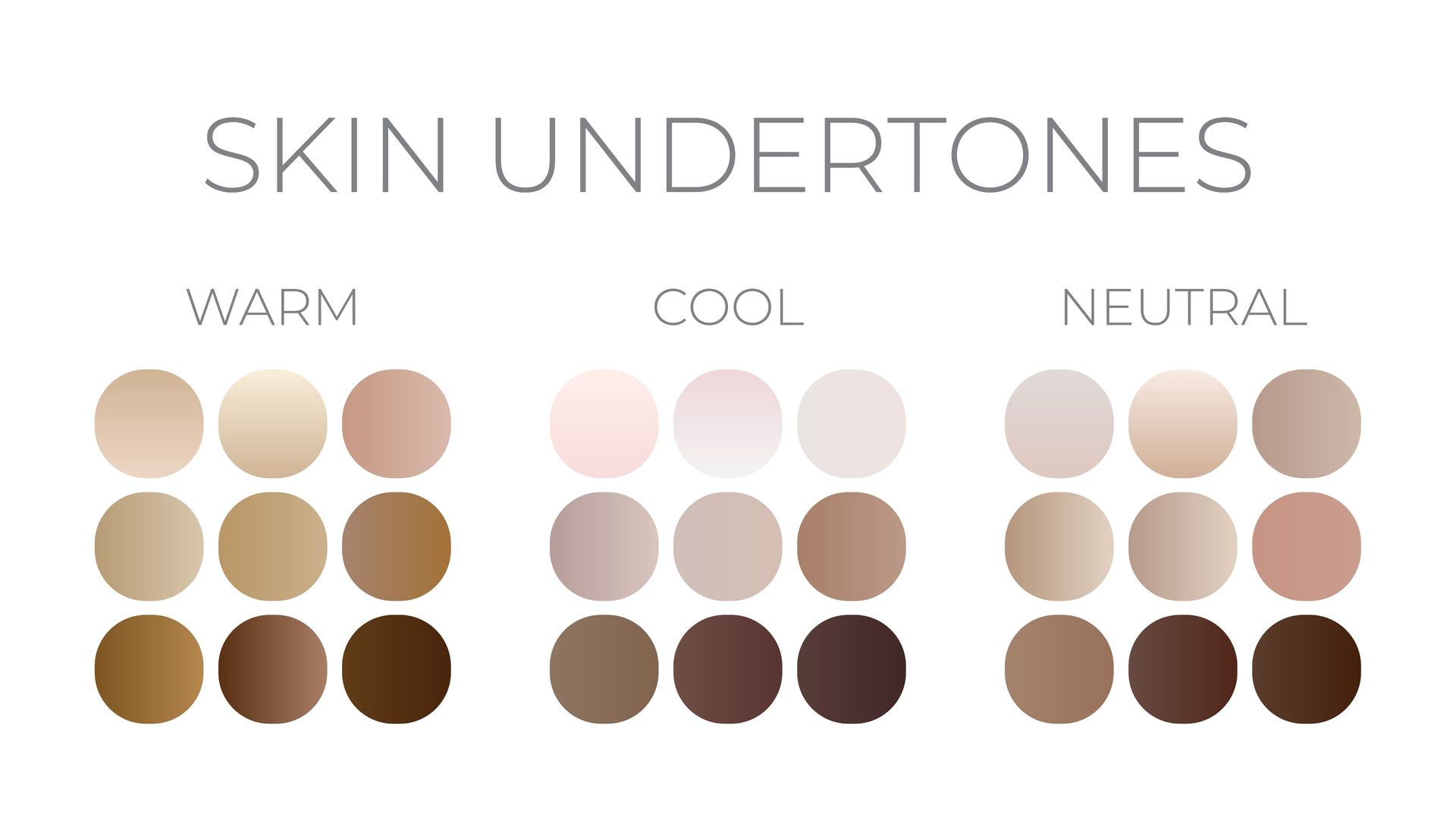
Hair color may be warm, cool, or neutral. An unsuitable tone can create brassiness, excessive ashiness, dullness, greenish areas, or a shade that changes under different lighting.
Undertone advice is not a strict beauty rule. Personal preference matters. A professional colorist can consider the starting shade, complexion, condition, style, and maintenance preferences.
3. Common DIY Hair Color Mistakes
Common at-home hair color mistakes include:
- Choosing only from the box image
- Buying too little product
- Selecting the wrong color type
- Skipping strand or allergy alert tests
- Missing sections or applying color unevenly
- Using one formula from roots through porous ends
- Exceeding the directed processing time
- Mixing brands or products
- Repeatedly coloring processed hair
- Attempting dramatic lightening or correction
- Adding more box dye over an unwanted result
Temporary, semi-permanent, demi-permanent, permanent color, toner, and lightener serve different purposes. Artificial color responds differently from untreated hair, and a lighter permanent shade does not reliably remove darker artificial pigment.
DIY color may suit a familiar shade, temporary color, subtle change, or simple label-approved application. Follow every warning, test, and direction. The FDA advises a skin test before each use, warns against mixing hair dye products, and says not to exceed the directed processing time.
4. Ignoring Previous Hair Color and Chemical Treatments
Tell your stylist about permanent, demi-permanent, or semi-permanent color, box dye, bleach, highlights, toners, henna, perms, keratin treatments, chemical smoothing, and other processing.
Treated hair may lift, absorb pigment, and retain tone differently. Buildup, uneven porosity, and weakness can affect processing and appointment planning.
5. Overlapping Color or Lightener on Previously Processed Hair
Overlap means placing color or lightener on already processed sections. It may contribute to dryness, weakness, breakage, dark buildup, dullness, uneven porosity, inconsistent color, or poor tone retention. Chemical coloring and perming can alter hair fiber structure and physical properties.
Roots, mid lengths, and ends may need different placement. New growth receives scalp warmth, while older lengths may be more porous.
6. Coloring Hair That Is Weak, Dry, or Damaged
Warning signs include excessive dryness, breakage, stretchy strands, split ends, uneven porosity, over-processing, or poor color retention.
A stylist may suggest a strand test, gentler service, conditioning care, trimming, an adjusted shade, a gradual plan, or delaying a major change. Conditioning can improve softness and manageability, but it cannot permanently rebuild damaged hair. Dermatologists also advise allowing more time between chemical services when hair becomes dry or brittle.
7. Neglecting Color-Treated Hair Aftercare
Common mistakes include washing too often, using very hot water, choosing unsuitable products, applying frequent high heat, skipping conditioner or heat protectant, overusing clarifying products, and overlooking chlorine, saltwater, or sun exposure.
Use suitable color-treated products, reduce unnecessary heat, condition as needed, and discuss swimming or sun protection with a stylist. Sunlight can weaken hair and fade color-treated hair. No routine can completely prevent fading, dryness, or damage.
8. Underestimating Maintenance or Avoiding Professional Help
Blonde, red, copper, pastel, vivid, gray coverage, high contrast highlights, major lightening, and corrective color often need root touch-ups, toner or gloss services, conditioning treatments, shade adjustments, and future appointments.
DIY color may suit familiar shades, subtle changes, temporary color, and simple applications completed exactly as directed. Professional color may be more appropriate for:
- Major lightening or darkening
- Highlights and dimensional color
- Removing dark artificial pigment
- Uneven or patchy results
- Unwanted orange, yellow, green, or muddy tones
- Customized gray coverage
- Fragile or over-processed hair
- Complex hair color correction
Some transformations require multiple appointments, and results cannot be guaranteed.
Expert Hair Color Salon Professionals in Fort Myers, FL
Avoiding
hair color mistakes begins with realistic expectations, careful shade selection, understanding the starting color, disclosing previous chemical services, following manufacturer testing, and providing appropriate aftercare.
DIY hair color may suit simple maintenance or subtle changes. Major transformations, highlights, fragile hair, uneven results, and corrective color may benefit from professional evaluation.
Call
Danny Suero's Hair Design at
(239) 275-4247
or
message us online to discuss your goals, hair history, lifestyle, and maintenance preferences with our color professionals.
References and Sources
- U.S. Food and Drug Administration. Cosmetics Safety Q&A: Hair Dyes.
- American Academy of Dermatology Association. Coloring and Perming Tips for Healthier Looking Hair.
- He, L., Cao, C., Nie, X., and Wang, H. Mechanisms of Impairment in Hair and Scalp Induced by Hair Dyeing and Perming and Potential Interventions.
- National Health Service. Hair Dye Reactions.